Spider Control
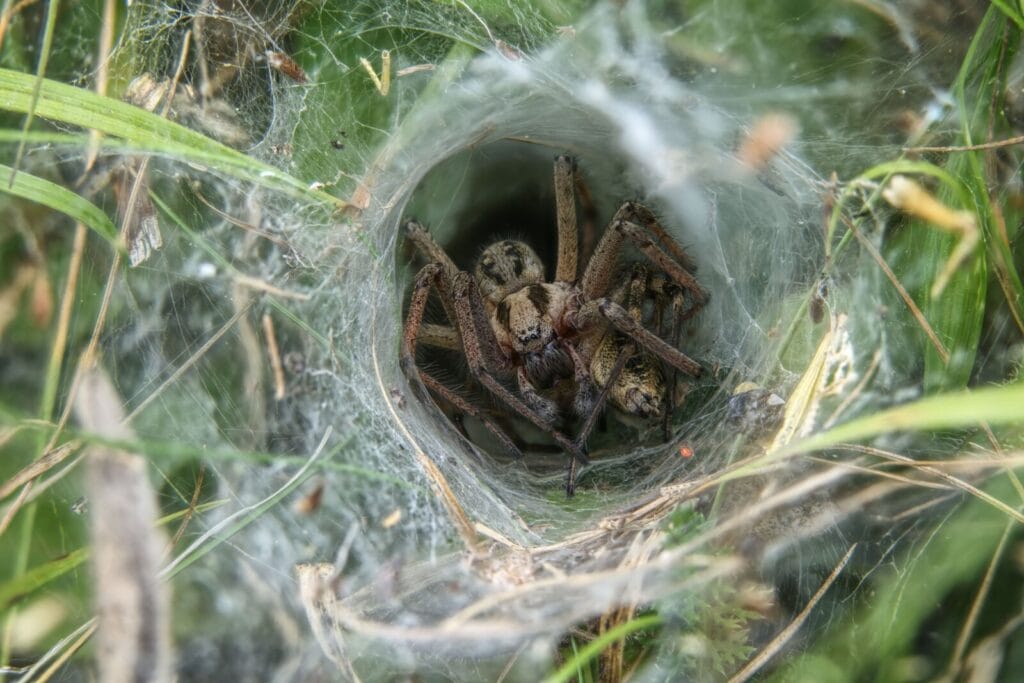
Hobo Spider Invasion Season: Why September Looks So Different
Seeing more hobo spiders lately? This hobo spider invasion pattern happens every September, as males mature and start actively wandering to find mates indoors.

Seeing more hobo spiders lately? This hobo spider invasion pattern happens every September, as males mature and start actively wandering to find mates indoors.
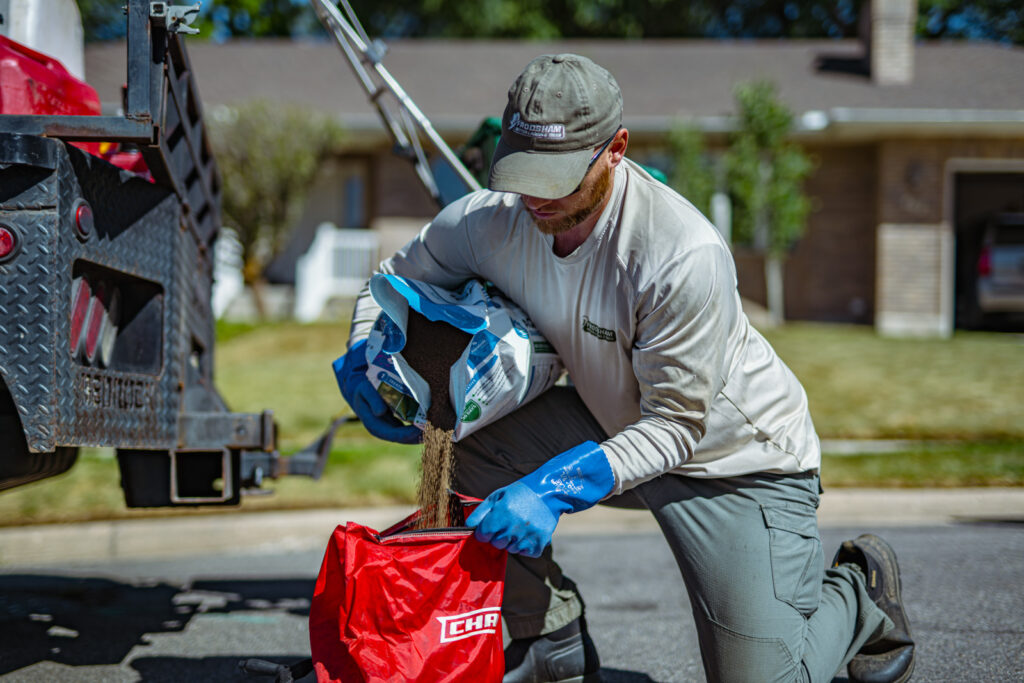
The best lawn fertilizer for Davis County isn’t about the brand name. It’s the NPK ratio, the iron content, and whether the label matches your actual soil.
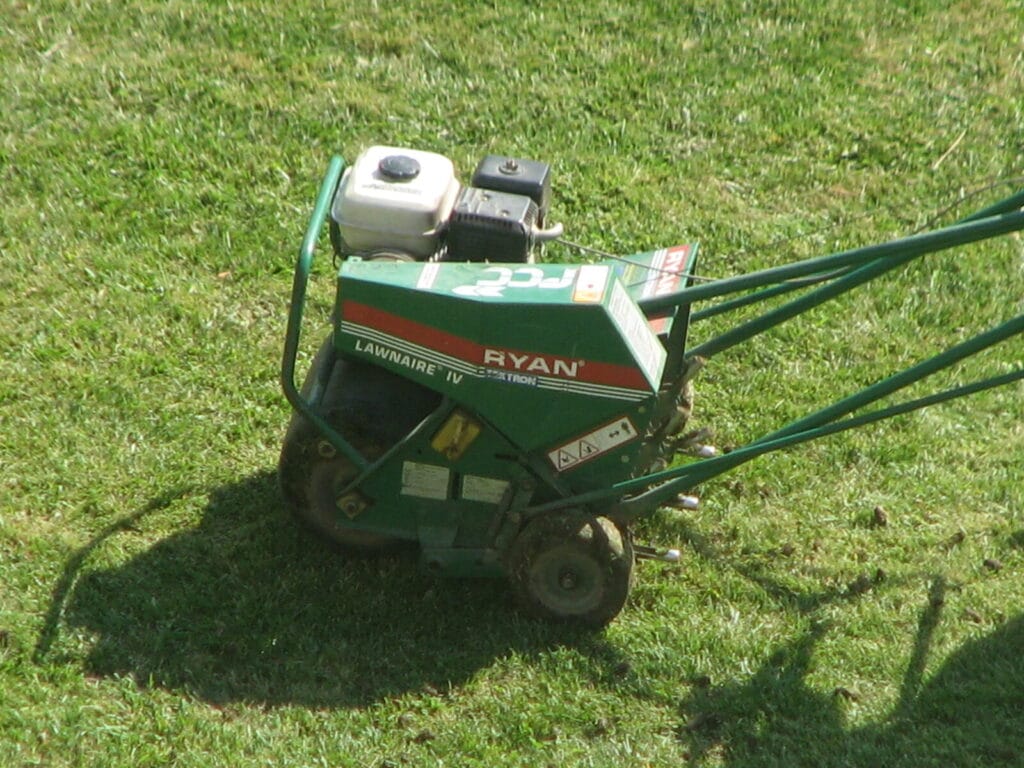
Not all aeration near me results are equal. Here’s what a real professional visit includes, where we work in Davis County, and what to ask before you book.
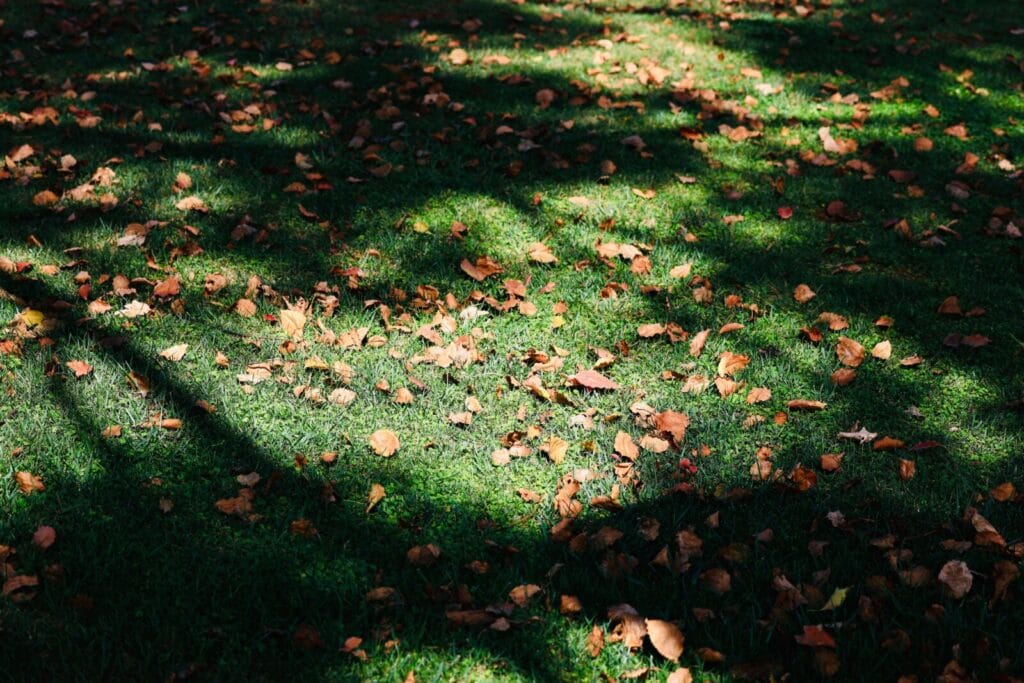
Fall lawn care that works follows a sequence: cleanup, aeration, overseeding, fertilizer, then tapering water. Here’s the order for Davis County lawns, start to finish.
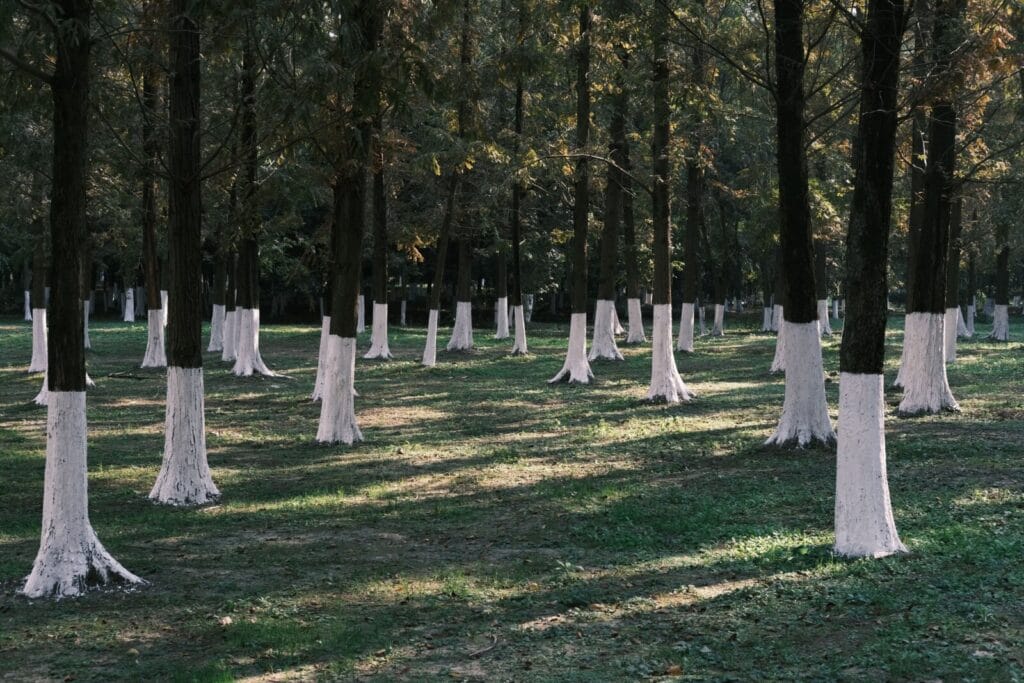
Tree health signs worth catching in August: persistent scorch, early leaf drop, bark damage, and stress from construction. Here’s what to watch before winter.
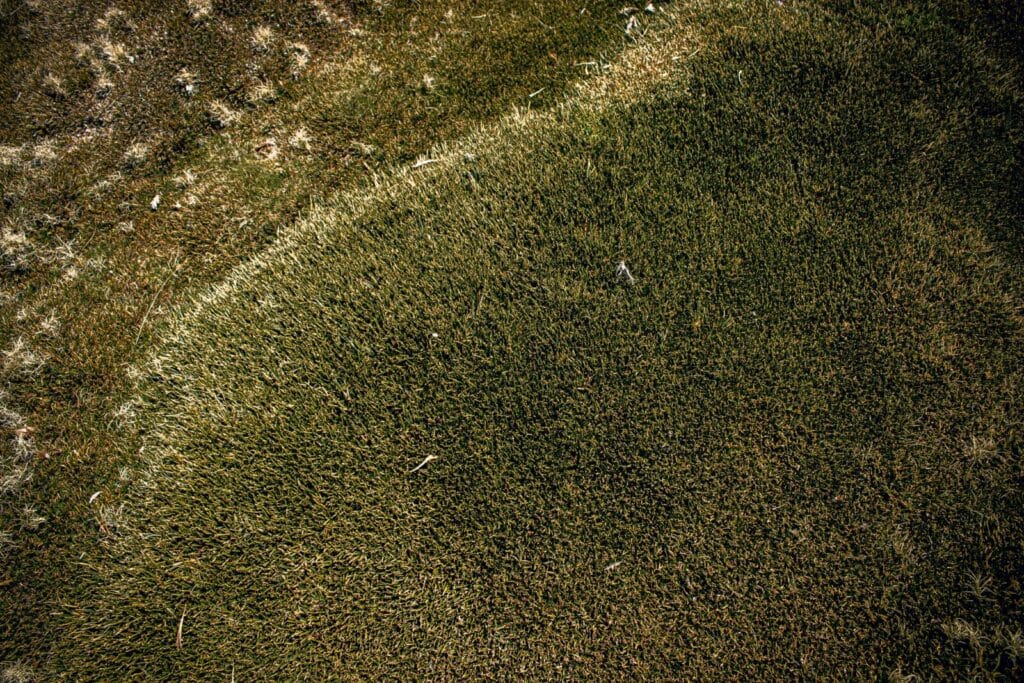
Late summer brings heat stress, grubs, fungal disease, and weeds to Davis County lawns at once. Here’s how to tell them apart and what needs action now.
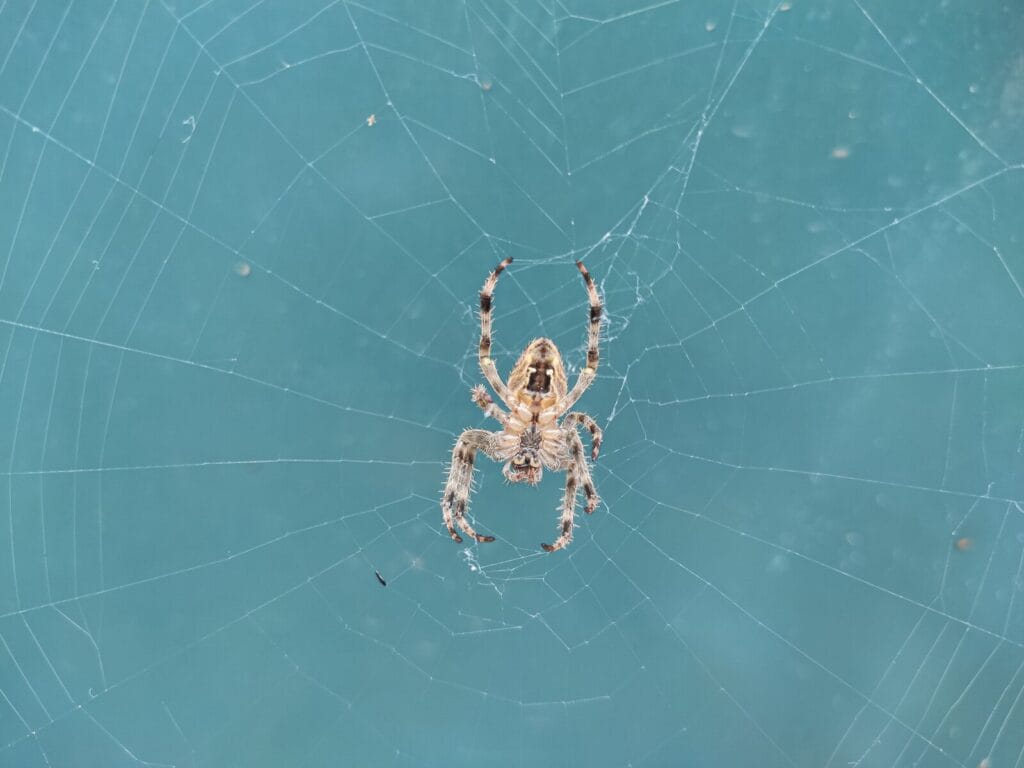
Spiders walk on the claws at their leg tips and pick up far less residue than a crawling insect. That is why so many household sprays disappoint Davis County homeowners each fall.
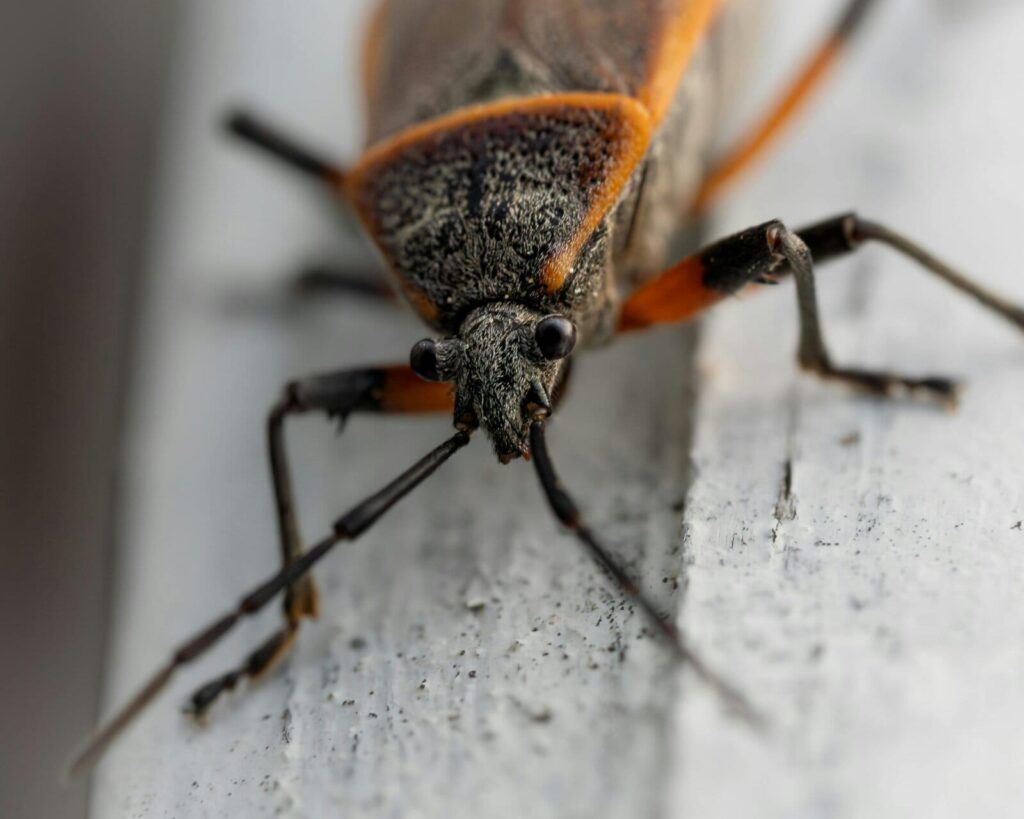
Boxelder bugs cluster on sunny walls every fall, and if a female boxelder tree is nearby, it happens every year. Here is what they are, why they invade, and the steps that keep them out of your home.
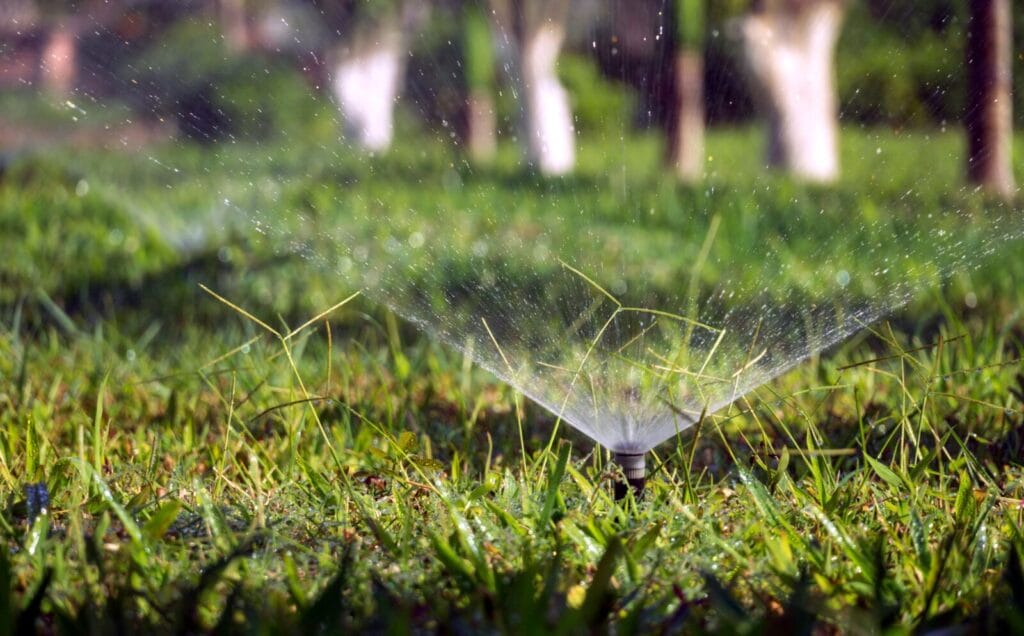
A Utah lawn needs two to four pounds of nitrogen per thousand square feet a year. Liquid lawn fertilizer works fast. Granular feeds longer. Timing and watering decide which one delivers it.
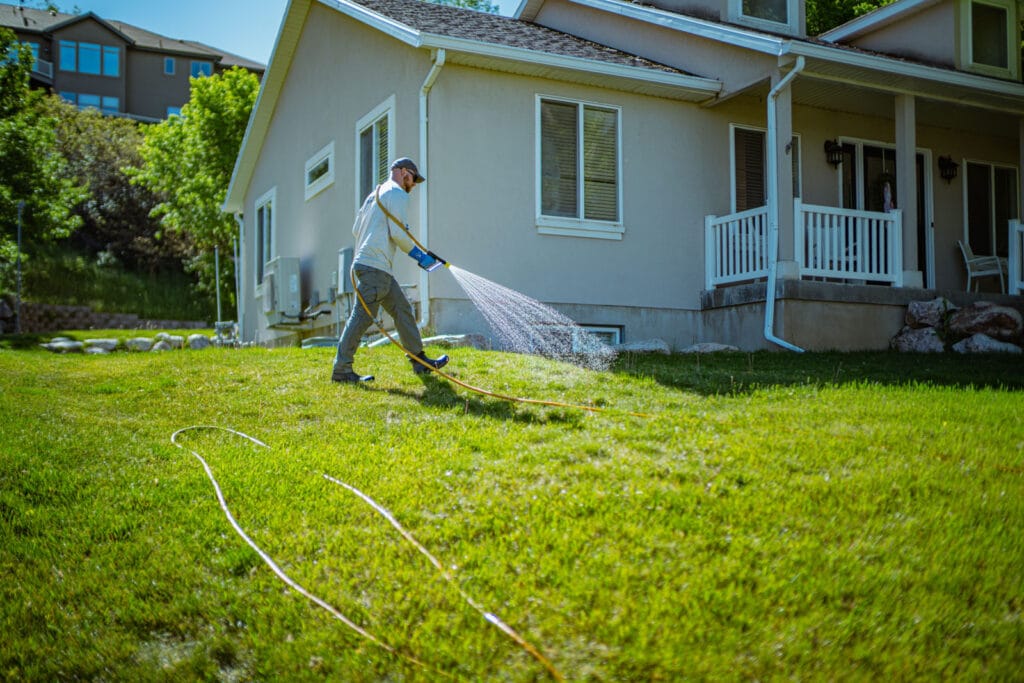
No single bottle wins every lawn battle. This guide breaks down selective vs. non-selective herbicides, temperature risks, and why store products so often disappoint Utah homeowners.
Brown patches in summer could mean drought stress or grub worm damage — and treating the wrong one wastes time while the real problem spreads. These tests tell you which is which.
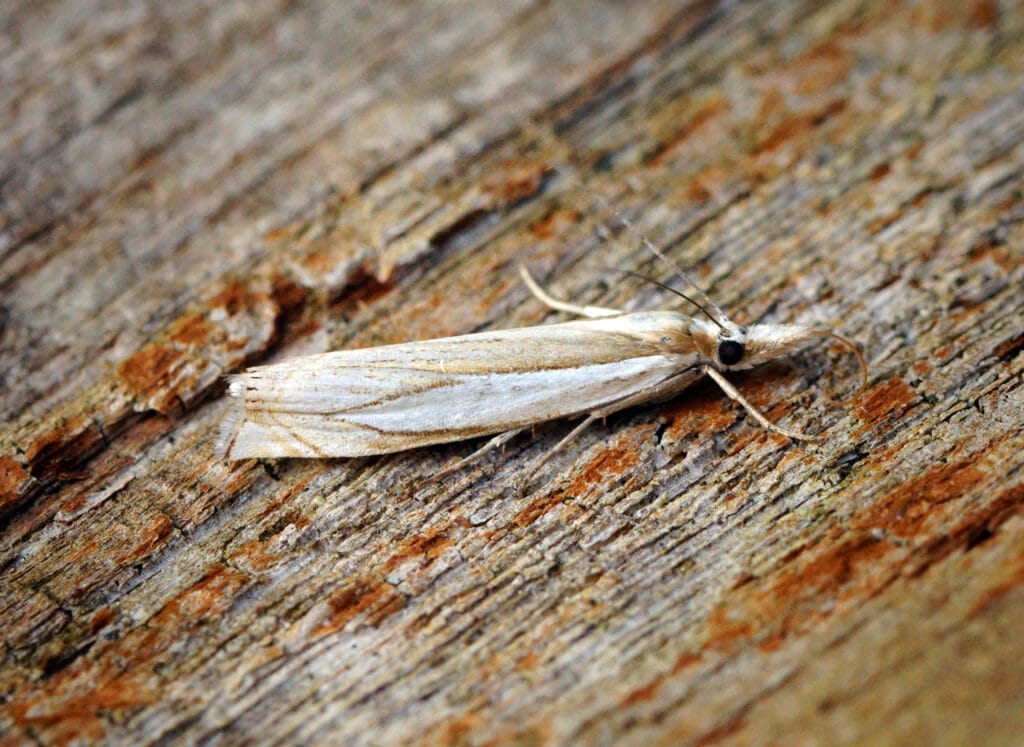
Small tan moths at dusk are the first warning most homeowners miss. This guide covers how to identify sod webworm damage in Utah lawns, tell it apart from grub damage, and respond before the feeding.