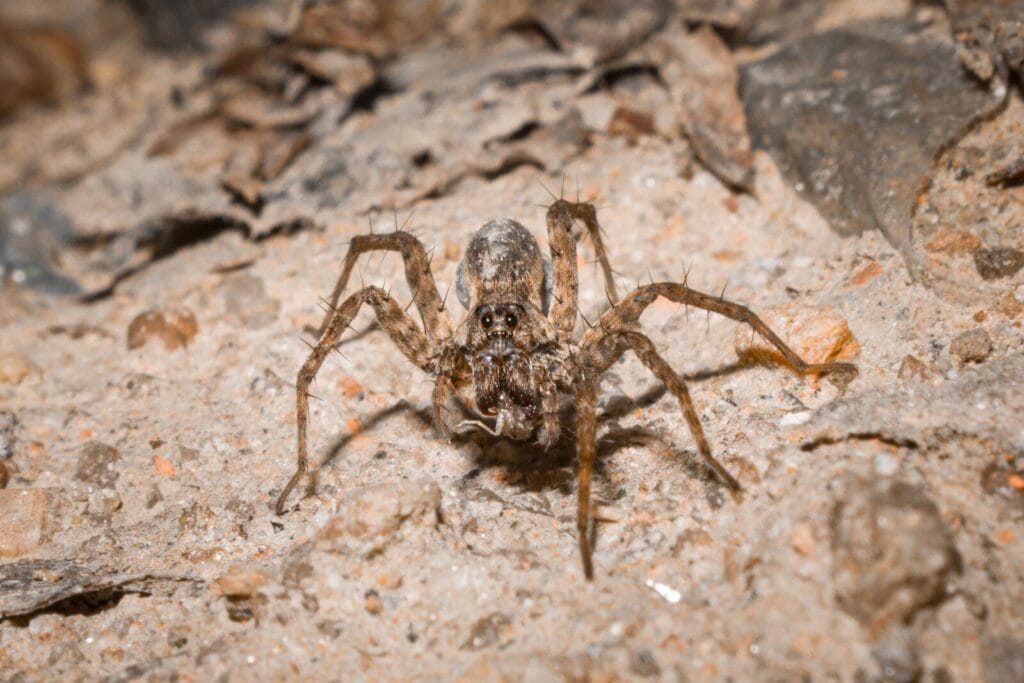
Spider Control
Wolf Spiders in Utah: Should You Be Worried?
Wolf spiders are the most common startling spider in Davis County homes. Learn how to identify them, why they wander indoors in fall, and how they compare to the black widow.

Wolf spiders are the most common startling spider in Davis County homes. Learn how to identify them, why they wander indoors in fall, and how they compare to the black widow.
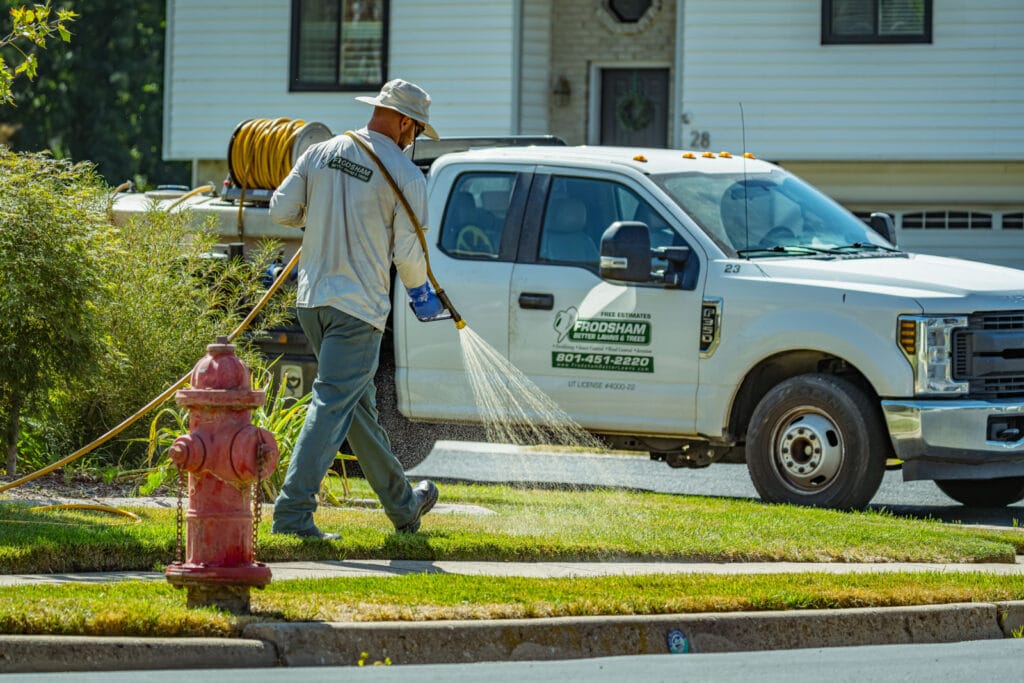
Most lawn fungus treatments fail because homeowners apply them too late or to the wrong problem. Learn why timing and correct diagnosis matter more than the product you buy.
Most Kentucky bluegrass lawns in Davis County need just three to four fertilizer applications a year, weighted toward fall, to build a thicker and healthier lawn than heavy feeding programs deliver.
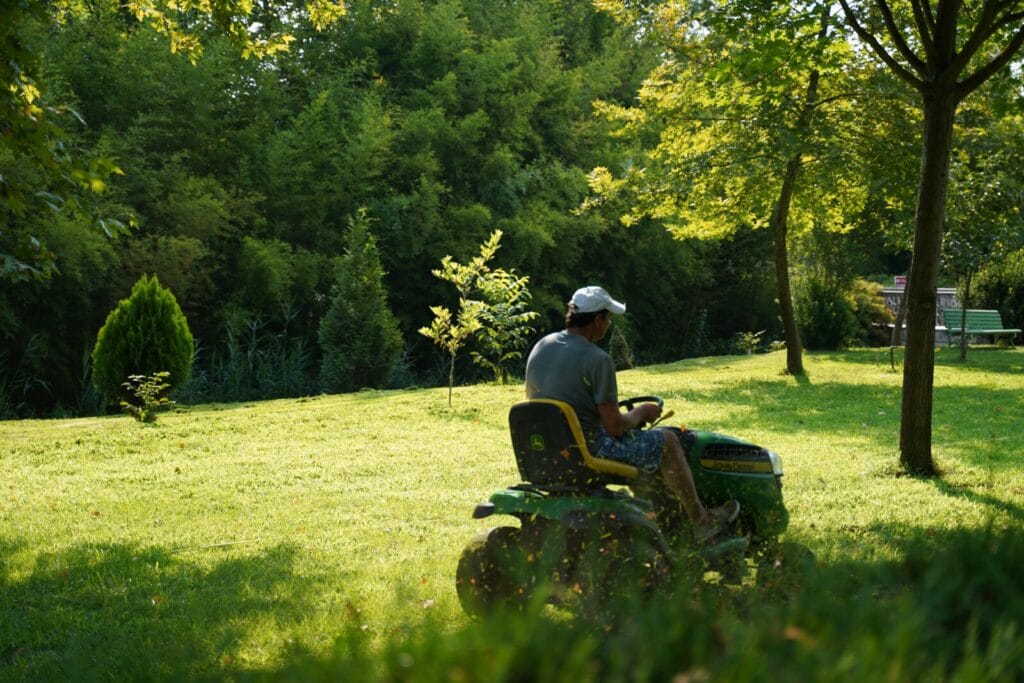
Four lawn maintenance habits that actually work in Utah’s climate — mow Kentucky bluegrass at three to four inches, keep your blade sharp, water deep, and cut clean edges.
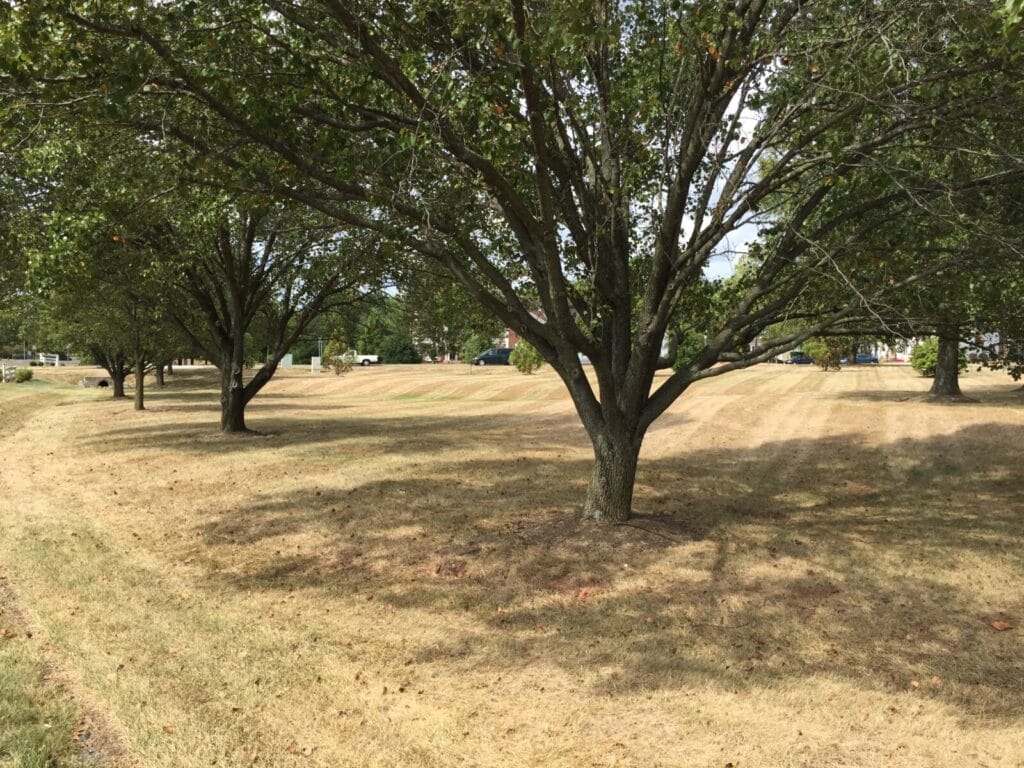
Brown summer grass in Utah usually isn’t dead — it’s dormant. Learn how to water correctly, spot real trouble, and guide your Kentucky bluegrass lawn through the heat.
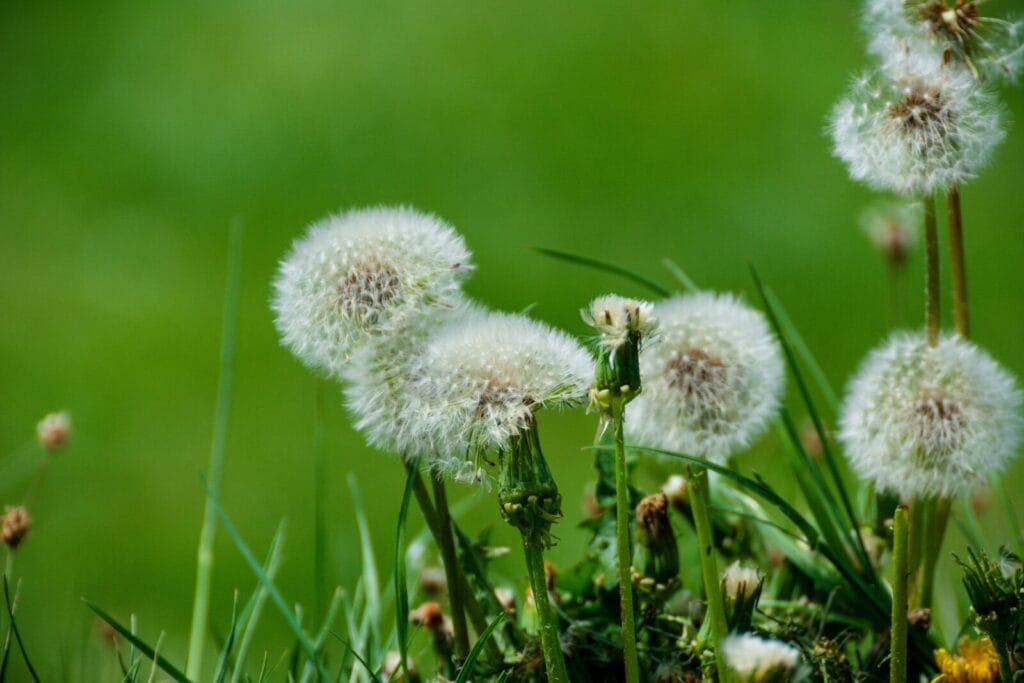
Broadleaf weeds don’t push out healthy grass — they move into spaces the turf already gave up. Learn which weeds are most common in Davis County and how to treat them effectively.
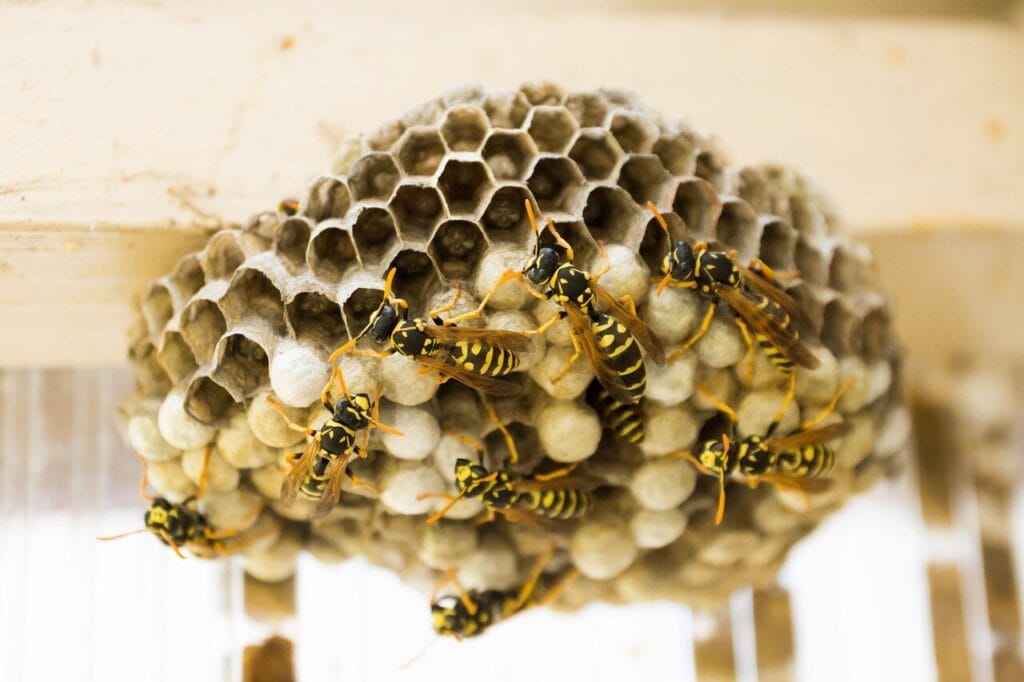
A wasp nest in May is one queen and a few cells. By August, it can hold thousands of workers. Learn how Davis County homeowners can prevent and remove nests before colonies grow dangerous.
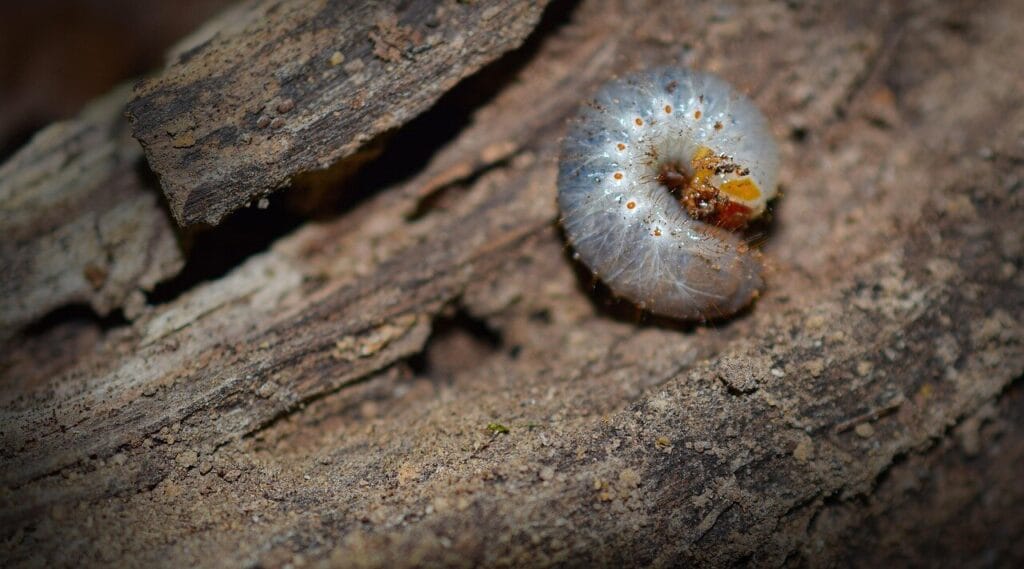
Soft spots, lifting turf, and overnight animal damage are all signs of grubs in your lawn. This guide covers how to confirm damage, identify the larvae type, and what curative treatment can.
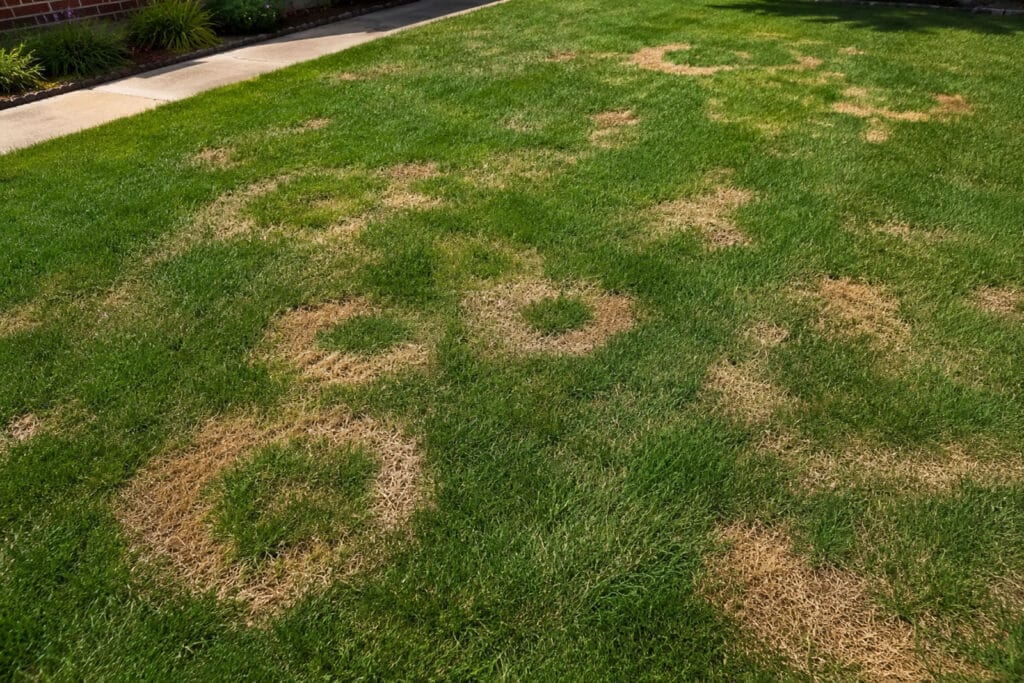
Brown circles in Davis County lawns are almost always necrotic ring spot, dollar spot, or fairy ring — not true brown patch. Here’s how to tell the difference and treat each one correctly.
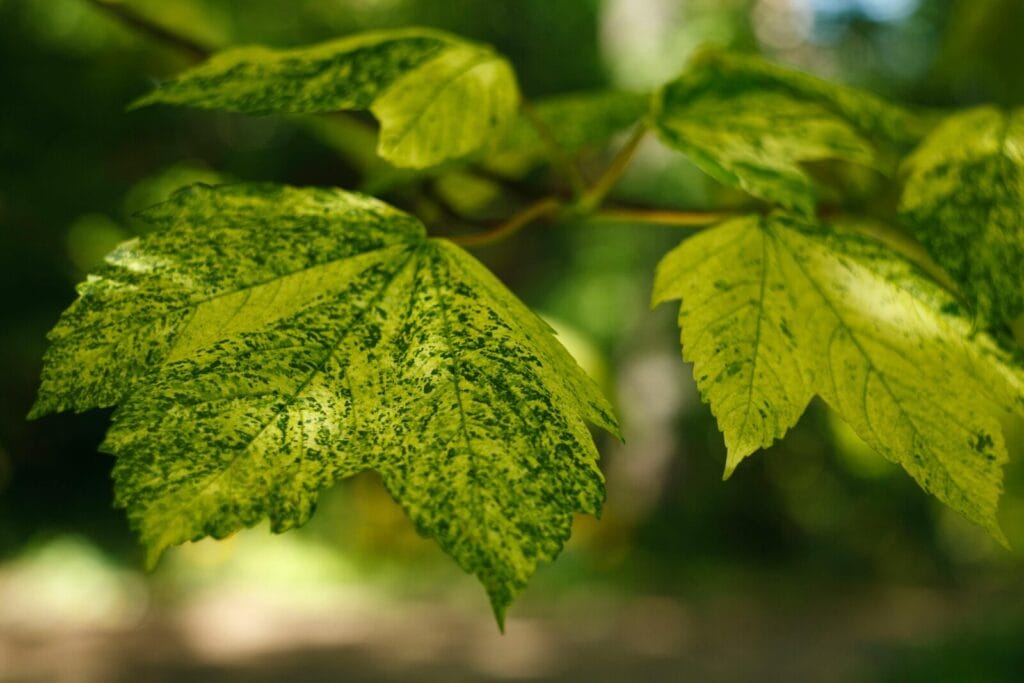
Iron chlorosis turns tree leaves yellow while veins stay green — but the fix isn’t adding iron. Learn why Davis County’s alkaline soil blocks iron uptake and what actually works.
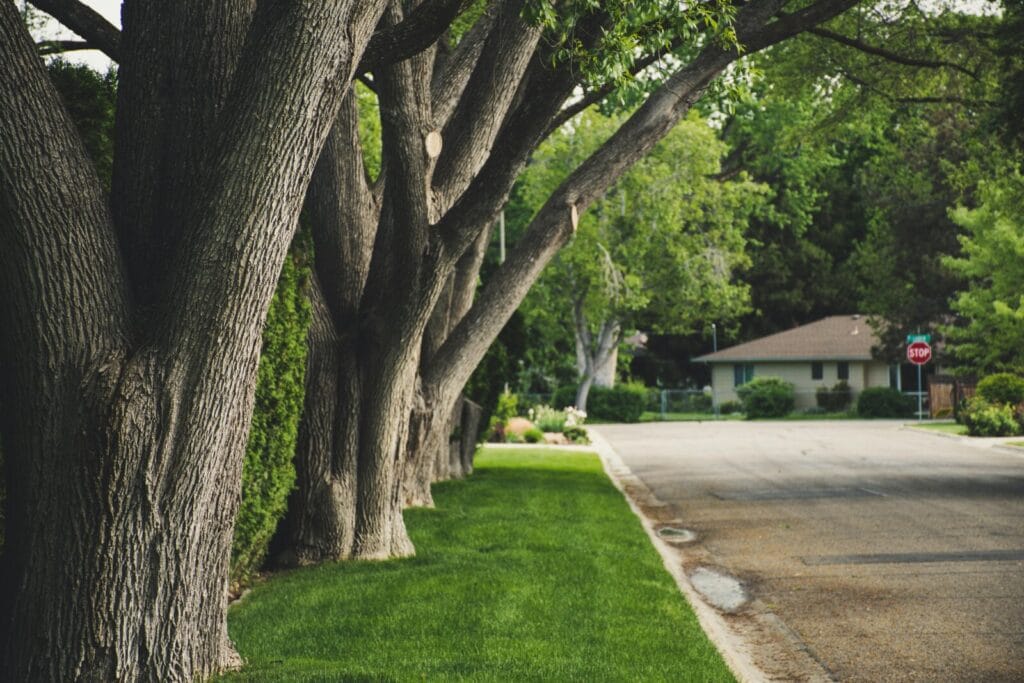
Surface fertilizer won’t fix iron chlorosis on Utah’s alkaline clay soil. Learn how deep root feeding delivers nutrients directly to feeder roots and which tree symptoms signal it’s time to act.
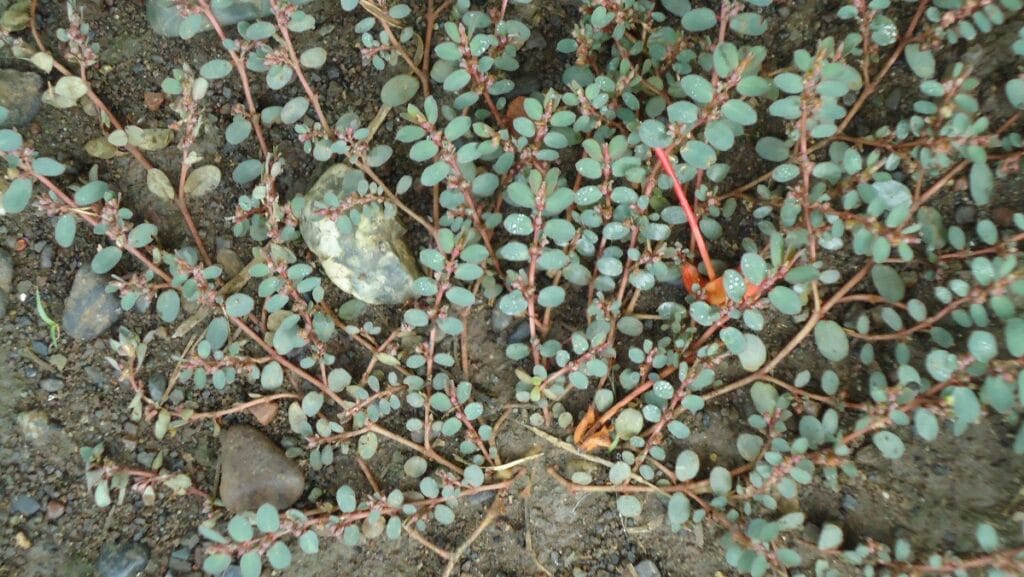
Spurge weed spreads fast in Davis County summers. This guide covers how to identify spotted spurge, why it outpaces crabgrass control timing, and what keeps it out of your lawn.