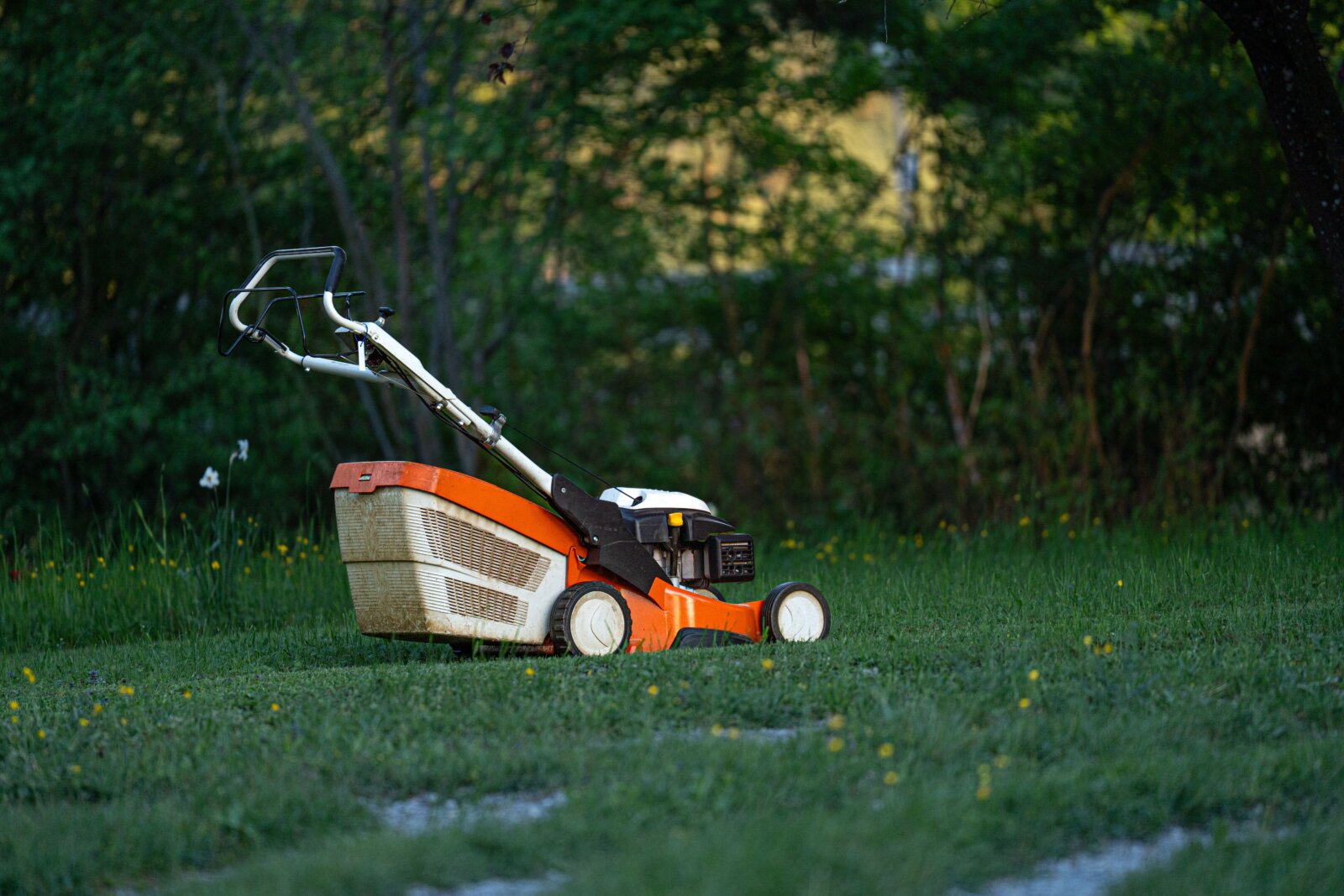
Fall Mowing Height: How Short to Cut Your Lawn Before Winter
The last mow of the season should be your shortest cut of the year. Here is how short to go, when to do it, and how to step the mowing height down safely.

The last mow of the season should be your shortest cut of the year. Here is how short to go, when to do it, and how to step the mowing height down safely.

Late October is past the normal seeding window for most Davis County lawns. Here’s how to find what caused a bare spot and choose between dormant seeding and spring repair.

Fall lawn care that works follows a sequence: cleanup, aeration, overseeding, fertilizer, then tapering water. Here’s the order for Davis County lawns, start to finish.

Late summer brings heat stress, grubs, fungal disease, and weeds to Davis County lawns at once. Here’s how to tell them apart and what needs action now.

Four lawn maintenance habits that actually work in Utah’s climate — mow Kentucky bluegrass at three to four inches, keep your blade sharp, water deep, and cut clean edges.

Brown summer grass in Utah usually isn’t dead — it’s dormant. Learn how to water correctly, spot real trouble, and guide your Kentucky bluegrass lawn through the heat.

Not sure where to start with your lawn this spring? This step-by-step checklist walks Davis County homeowners through cleanup, snow mold, sprinkler prep, and first mowing in the right order.

Timing is everything for Davis County lawns. This month-by-month guide covers lawn care, tree care, and pest control from January through the season for every elevation.

Davis County clay soil drains slowly, locks out iron, and compacts under light traffic. Learn how Lake Bonneville’s legacy affects your lawn and what fixes actually work.

Most homeowners expect professional lawn care to handle everything. It doesn’t. Here’s exactly what each seasonal visit covers, what’s left to you, and what typically costs extra.