
Brown patches show up in Davis County lawns every July. By then, the window to stop them has closed. That gap catches homeowners off guard every summer. Most assume the spots are drought stress when they are usually billbug damage.
Northern Utah’s most damaging lawn insect is not the white grub most homeowners picture. It is the billbug, a small weevil whose larvae feed inside grass stems and at the crown. According to Utah State University Extension, billbugs are one of the top turf pests in Utah lawns.
This guide covers how billbugs and white grubs damage Davis County lawns, when to apply grub control for the best results this spring, and the difference between preventive and curative lawn grub treatment.
Billbugs vs. White Grubs: Know What You Are Treating
When homeowners search for grub control, they usually picture fat, C-shaped white grubs. Those are the larvae of beetles like June bugs and masked chafers. They feed on grass roots from June through August.
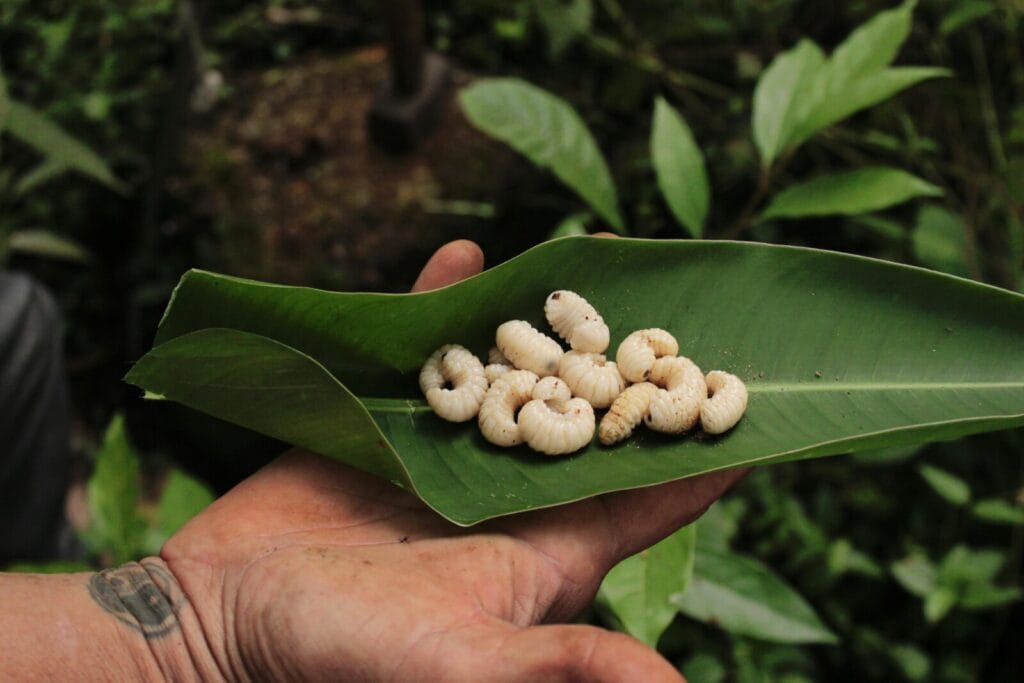
Billbugs are different. Adult billbugs are small brown or black weevils with a long snout. The larvae are cream-colored, legless, and have a tan head capsule. They are smaller than white grubs.
The damage pattern is also different. Billbug larvae start by feeding inside grass stems before dropping to the soil and feeding on roots. White grubs feed only on roots from below. Both kill turf, but billbug damage often shows up earlier in summer.
Both pests respond to similar preventive products. The treatment timing depends on which pest you target. Billbug control aims at adults emerging in spring or larvae feeding in early summer. White grub control aims at larvae hatching in mid-summer.
How the Billbug Life Cycle Builds Toward Summer Damage
Billbug adults overwinter in lawn thatch and leaf litter. They emerge in March and April when soil warms. Adults are active and visible on sidewalks and driveways through May and into June. Many homeowners see them and mistake them for harmless beetles.
The damage starts when adult females lay eggs inside grass stems, usually from late May through June. Larvae hatch and feed inside the stems first. They eat the stem from the inside out, leaving a sawdust-like material called frass.
After feeding inside stems, larger larvae drop into the soil. They feed on grass crowns and roots from June through August. By the time you see brown patches, the larvae have already done most of the damage.
USU Extension data shows billbug damage peaks in July and August in Northern Utah lawns. Homeowners who wait until they see damage are always one season behind. The action this spring decides whether your lawn looks good in August.
How to Tell If You Have Billbugs (the Tug Test)
The tug test is the simplest way to confirm billbug damage. Walk to a brown patch in your lawn. Grab a handful of dead grass and pull straight up. If the stems break off at the soil level and leave the roots behind, billbugs are likely active.
Look closely at the broken stems. You should see a fine, sawdust-like material inside or around the base. This is frass, the waste billbug larvae leave behind as they feed inside grass stems. USU Extension calls this the signature diagnostic for billbug damage.
If the tug test is unclear, dig a small plug of soil at the edge of the damage. Look for legless, cream-colored larvae with a tan head. White grub damage looks similar above ground but the larvae are different. White grubs are larger, C-shaped, and have visible legs.
When to Apply Grub Control in Davis County
Timing is everything for grub control in Northern Utah. University of Idaho Extension puts it plainly: effective control requires application before damage is visible. By July, you are too late for that season.
The optimal window in Davis County runs from late April through May. Adult billbugs become active when soil temperatures reach the mid-50s to low-60s. Along the Wasatch Front, this usually happens in mid-to-late April. Treatment timed to this window catches the pest before egg-laying.
A second application window exists for white grub control in late June or early July. This catches the larvae of beetles like June bugs as they hatch. For most Davis County lawns, a properly timed spring lawn grub treatment combined with healthy turf is enough.
A simple reminder helps with timing. Watch for billbug adults on driveways and sidewalks in May. That is your signal to act if you have not already. Apply preventive products before you see damage, never after.
Preventive vs. Curative: Why the Difference Matters
Two different approaches exist for grub control. Each has a different purpose and timing.
Preventive products work by creating a residual barrier in the soil. Larvae feed on treated grass and die before they cause significant damage. The most common active ingredients are chlorantraniliprole (Acelepryn, GrubEx), imidacloprid (Merit), and clothianidin. According to Colorado State University Extension, these products need about two weeks to move into the root zone.
Curative lawn grub treatment works fast and kills larvae already feeding. Trichlorfon (Dylox) is the main curative option. The catch in Utah is real. CSU Extension notes that trichlorfon breaks down rapidly in high-pH alkaline soils. Davis County’s clay soil is alkaline, which means curative products lose effectiveness quickly here.
The takeaway is simple. Preventive grub control is more reliable than curative treatment in Davis County. Apply preventive in spring, water it in, and you stop the problem before it starts.
Watering Matters After Application
Pre-emergent grub control products do not work without water. After application, the product needs to move from the surface into the root zone where larvae feed. USU Extension recommends applying half an inch to three quarters of an inch of water immediately after a preventive treatment.
Avoid heavy rain or thunderstorms right after application. A downpour can wash the product off before it bonds with soil. A light, soaking rain is ideal. If the forecast is dry, water it in yourself with sprinklers.
Davis County’s secondary water systems often turn on in early to mid-April. Most homeowners can run sprinklers by the time grub control needs watering in. If your secondary water is not yet on, time the application to a forecast rainstorm.
Healthy Lawns Resist Grub Damage
Pre-emergent products stop the pests, but a healthy lawn keeps them from getting a foothold. Drought-stressed and thinning lawns suffer the worst billbug damage. Thick, well-watered Kentucky bluegrass crowds out billbug egg-laying sites and recovers faster from minor damage.
Mowing height matters. USU recommends mowing Kentucky bluegrass at 2.5 to 3 inches. Taller grass shades the soil, holds moisture, and supports deeper roots. Short-mowed lawns are more vulnerable to billbug damage.
Deep, infrequent watering builds deeper roots that survive billbug feeding better. Light, frequent watering keeps the surface wet and shallow-rooted. That is exactly the condition billbugs prefer. Water once or twice a week to a depth of six inches instead of every day.
Core aeration also helps. Compacted clay soils are common in Davis County and limit root growth. Annual fall aeration relieves compaction, supports deeper rooting, and reduces grub vulnerability.
Watching for Billbugs So You Don’t Have To
Most homeowners are not walking around their driveway in May looking for half-inch weevils. That is a reasonable place to draw the line on lawn care. The problem is that nobody else is watching either. Billbug damage piles up under the radar until July.
This is the part we handle. Our grub control service times applications to actual Utah soil temperatures and billbug emergence. The preventive goes down before the eggs are laid. We have been doing this work in Centerville, Kaysville, Farmington, and Bountiful since 1981.
Some lawns need more than seasonal grub control. Our lawn insect control service covers billbugs, white grubs, and sod webworm under one schedule. Reach out before May if you want this April handled.