
Every program is built around Utah's growing season, Davis County soil conditions, and over 40 years of local experience. We use locally mixed fertilizer, time each application to match what your lawn actually needs, and adjust as conditions change through the year.
Our lawn care programs run five visits from March through October, spaced at 5-8 week intervals through the season. Each program includes fertilizer, broadleaf weed control, and pre-emergent for crabgrass and spurge prevention. The difference between programs is the level of protection your lawn needs based on its history and current condition.
Best For: Lawns in good overall health that need consistent fertilizer, weed control, and seasonal maintenance to stay on track through Utah’s growing season.
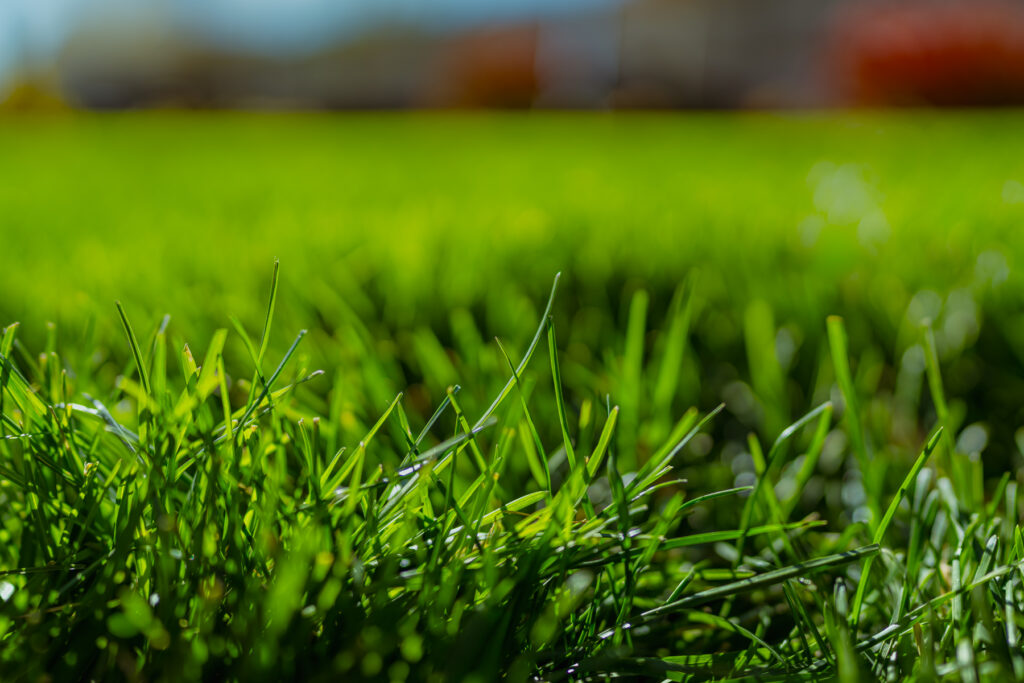
The full season program is our standard five-visit lawn care plan. It covers the essentials: locally mixed fertilizer matched to Davis County soil, broadleaf weed control on every applicable visit, and pre-emergent in early spring to block crabgrass and spurge before they take hold. Each application is timed to match what Kentucky bluegrass lawns in our area need at that point in the season.
If you notice any trouble spots between visits, call us and we will get to your lawn promptly. Most service requests are handled the same or next business day.
Liquid application. Pre-emergent, broadleaf weed control (if needed), nitrogen stabilizer, wetting agent and Urea fertilizer. This wakes your lawn out of dormancy and puts down the barrier that blocks crabgrass and spurge from germinating through the summer months
Liquid application. Broadleaf weed control, nitrogen stabilizer, wetting agent, and Urea fertilizer. This visit targets the broadleaf weeds that start showing up as temperatures rise.
Liquid application. Summer broadleaf weed control, humates, and a soil treatment with water retention agent, wetting agent, and iron. The granular feeds roots steadily through summer heat without burning your lawn.
Liquid application. Summer broadleaf weed control, humates, and a soil treatment with water retention agent, wetting agent, and iron. Every ingredient is heat-tolerant. This protects the root system and helps maintain color during the hottest stretch of the year.
Liquid broadleaf weed control (as needed), plus a recovery granular fertilizer. The fall fertilizer supports root development and helps your lawn recover from summer stress heading into winter.
Best For: Lawns with a history of grub damage, sod webworm, or other insect problems. Also recommended for any lawn where you want full-season insect coverage and the peace of mind that active problems get treated at no extra cost.
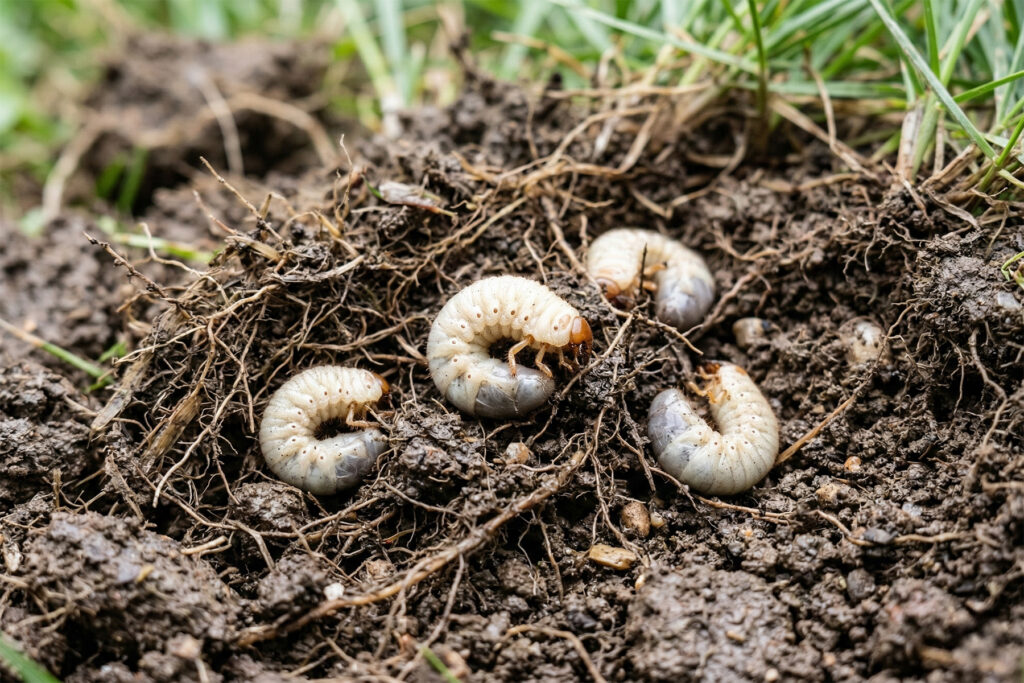
This program includes everything in the Full Season Lawn Program, plus grub suppression and full-season insecticide protection. The grub suppression application uses Acelepryn, applied between April and May before grubs hatch and start feeding on roots. That same application also controls surface-feeding pests like sod webworm through the season.
The real value of this program is the coverage guarantee. If we find an active insect problem at any point during the season (fungus issues not included), we treat it at no additional charge. Just call us when you notice something and we will visit your lawn promptly.
Same five visits as the Full Season Lawn Program, with grub suppression added to Visit 2 (Late Spring).
Best For: Lawns showing signs of necrotic ring spot (ring-shaped dead patches, sometimes called “frog eye”) or other fungus problems. Also recommended for lawns that have battled NRS in previous seasons, since the fungus is perennial and attacks roots and crowns.
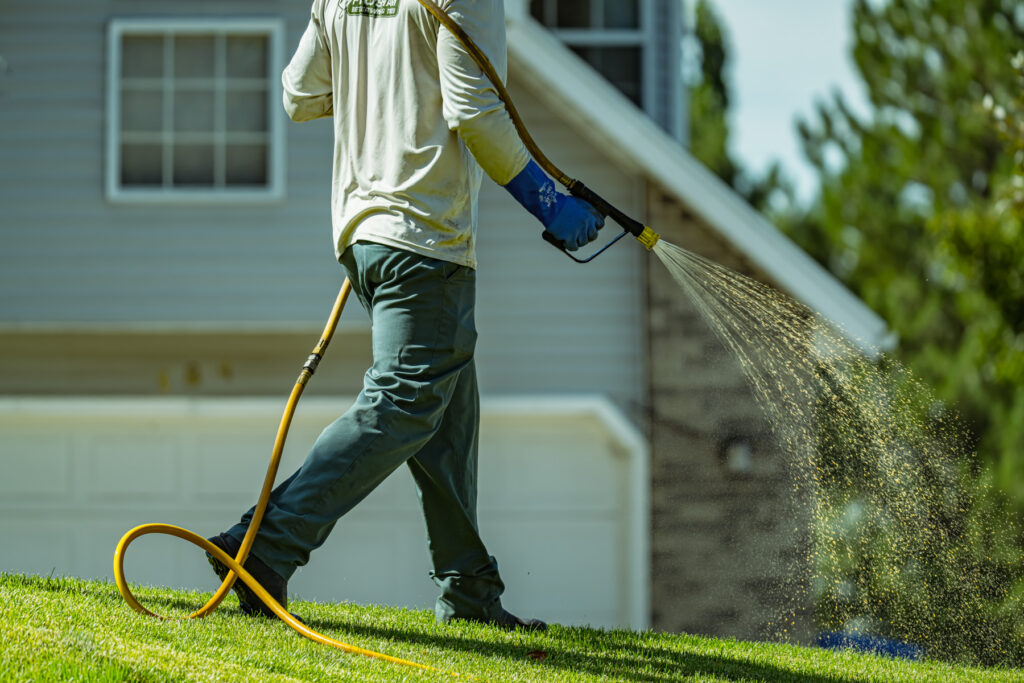
Necrotic ring spot is the most destructive disease of Kentucky bluegrass in Utah, and it is common throughout Davis County. The fungus lives in the soil year-round, attacking roots and crowns. Recovery from an outbreak is slow, which is why this program focuses on prevention, early treatment, and building long-term lawn health.
This program follows the same five-visit structure but swaps in fungicide applications on Visits 2, 3, and 5, plus a specialized 16-16-16 slow-release fertilizer with iron on those same visits. Getting the first fungicide down before the initial bloom is critical. Back-to-back applications on Visits 2 and 3 give the best control through the season.
Liquid application. Pre-emergent, broadleaf weed control (if needed), and Urea fertilizer to wake your lawn each spring. Same as the standard program.
Liquid application. Broadleaf weed control and fungicide, plus a slow-release fertilizer with iron and wetting agent. This is the first fungicide treatment of the season. Getting it down before the initial NRS bloom is key to season-long control.
Liquid application. Broadleaf weed control and fungicide, plus a slow-release fertilizer with iron and wetting agent. Back-to-back fungicide applications on Visits 2 and 3 typically give the best results through summer.
Liquid application. Summer broadleaf weed control and fungicide, plus a slow-release fertilizer with iron, water retention and wetting agents. Every ingredient is heat-tolerant. This visit protects the root system during peak summer stress.
Liquid application. Broadleaf weed control and fungicide, plus a slow-release fertilizer with iron and wetting agent. This provides the fourth fungicide application of the season. This slow-release fertilizer helps repair summer damage and promotes new growth through fall and into winter.
Not on the Insecticide Protection program but want grub suppression? Acelepryn grub suppression can be added to either the Full Season or Fungus/NRS program. It is applied during Visit 2 (April-May) and targets the larval stage before grubs hatch and begin feeding on roots. Contact us to add grub suppression to your program.
Utah’s clay soil compacts quickly, especially in high-traffic areas. Core aeration removes small plugs of soil across your lawn, opening up space for water, air, and nutrients to reach deeper into the root system. This reduces compaction, breaks down the thatch layer, and adds organic matter back to the surface.
We recommend aerating at least once a year, typically in early spring before the growing season begins. Aeration also helps fertilizer and other treatments penetrate more effectively on subsequent visits.
Prepay your full season lawn program and save 7% off your total bill. It is a simple way to lock in service and keep your lawn on track from day one.
Trees and shrubs are often the most valuable part of a Davis County landscape. Utah’s dry climate and alkaline soil create challenges that ornamental and fruit trees face all season. Our programs protect them with targeted feeding and insect prevention timed to the growing season.
Best For: Homeowners who want to keep ornamental trees and shrubs healthy year-round with scheduled deep root feeding and insect prevention.
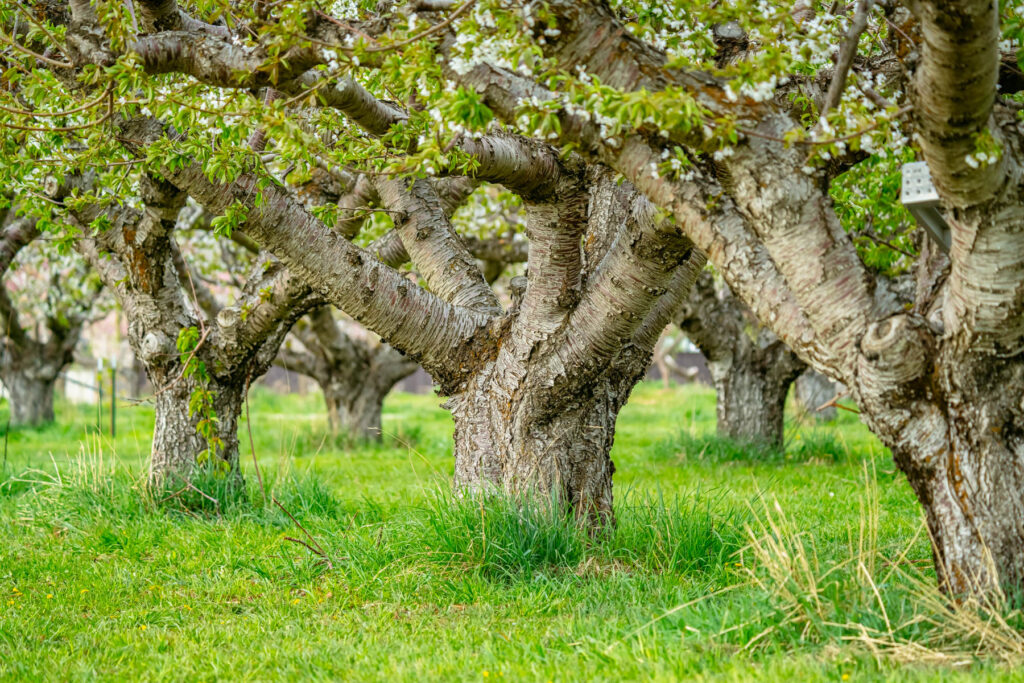
The complete tree and shrub program includes four applications per year, timed to match the growing season. Spring and fall visits focus on deep root feeding. The two mid-season visits focus on insect prevention and control.
Deep root feeding delivers iron, phosphorus, and potassium directly into the root zone below the surface. This is critical in Davis County, where alkaline soil locks out the nutrients trees need to absorb on their own. Feeding below the surface gets nutrients past the alkaline barrier and into the root system where they do the most good.
Fertilizer is injected below the surface and into the root zone. This delivers iron, phosphorus, and potassium directly to the roots, bypassing Davis County’s alkaline soil conditions that block nutrient absorption at the surface.
Preventative insect treatment to protect against aphids, beetles, spider mites, and other pests that attack trees and shrubs during the growing season. If left untreated, these insects cause severe stress and weaken a tree’s ability to handle drought and summer heat.
A follow-up insect control treatment during peak growing season. This keeps protection consistent through the period when insect pressure is highest.
A second deep root feeding to help trees build nutrient reserves heading into winter. This supports root development and prepares trees to come back strong the following spring.
Best For: Homeowners with apple, cherry, peach, pear, or other fruit trees that need dormant oil and insect protection to produce healthy fruit.
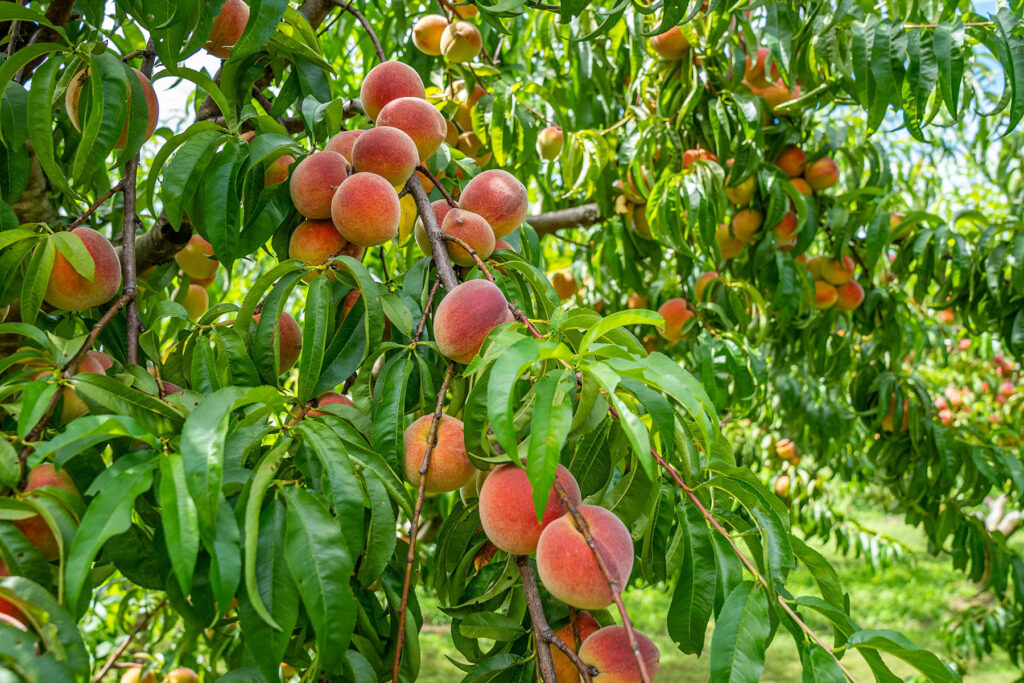
Fruit trees need specific treatment beyond what ornamental trees require. Our dormant oil application is done in early spring, before blossoms open. The oil coats branches and bark, smothering insect eggs before they can hatch. This is especially effective against aphids, borers, and other insects that target fruit trees.
Timing is important. Dormant oil must be applied before the early blossom stage to be effective. After the blossoms drop, the first insecticide treatments begin to target pest hatch cycles. A total of 1–4 treatments are offered throughout the growing season depending upon fruit harvest.
Utah homes deal with spiders, ants, and stinging insects throughout the year. Our pest control programs focus on keeping them out of your home with targeted exterior barriers and responsive treatment for active problems.
Best For: Any Davis County home that wants consistent spider and insect prevention around the foundation, windows, and garage from spring through fall.
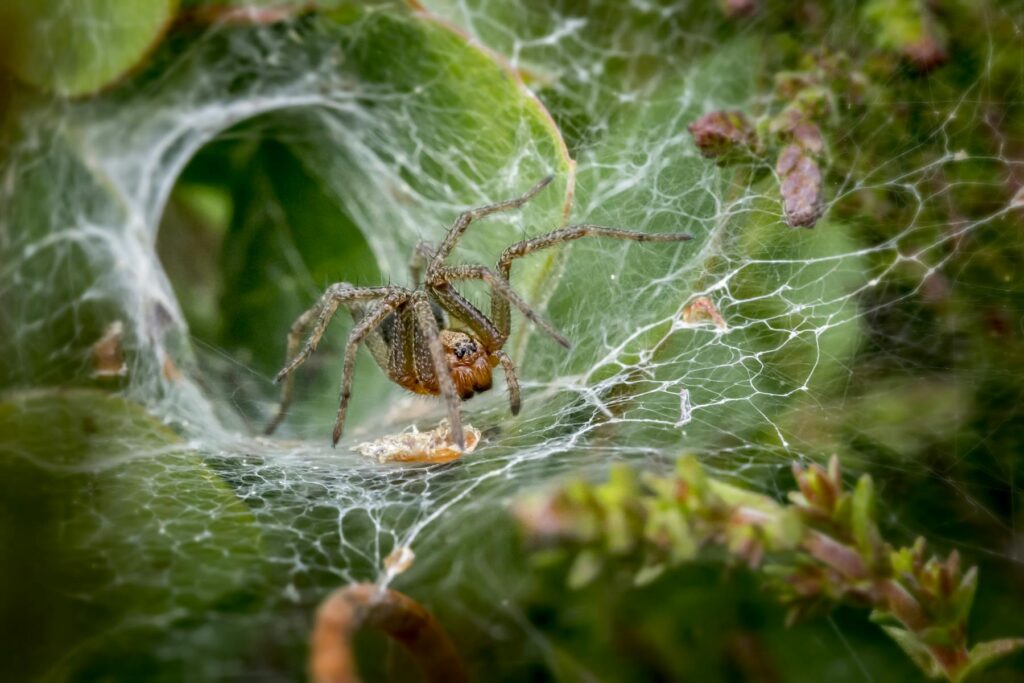
The exterior spider barrier is applied directly to your home’s foundation, lower windows, window wells, and the interior of attached garages. Each treatment creates a barrier that lasts up to 45 days, preventing spiders and insects from crossing into your home.
The full program includes four seasonal treatments: early spring, early summer, late summer, and late fall. Treatments can also be applied as needed outside the regular schedule during any season when the application area is accessible (snow-covered surfaces cannot be treated).
Beyond our seasonal programs, we offer targeted services for specific lawn, tree, and pest problems. These can be scheduled on their own or added alongside any active program.
We spray for wasps, hornets, and yellow jackets when they are active near or around your home’s eaves, gutters, soffit, and fascia. This treatment targets active nests and high-traffic areas where stinging insects gather. It can be applied any time the insects are active.
This is not a preventative treatment. It is designed to address active infestations near your home. Contact us as soon as you notice a problem, and we will schedule treatment.
Box elder bugs are common in Davis County. They spend warm months in the box elder and maple trees that line yards across Bountiful, Kaysville, and Centerville. When fall arrives, they move toward warm walls and windows and often end up inside homes. We treat for box elder bugs using the same exterior application we use for wasps and hornets. One treatment typically handles both problems at once.
No product on the market can guarantee your lawn or trees will be 100% insect free. However, we offer preventative treatments that can reduce the risk of aphid outbreaks, grub infestations, and other insect problems when applied at the right time of year. Contact us to discuss prevention options based on your lawn’s history and current conditions.
Serving Davis County since 1981. We provide lawn care, tree care, and pest control for homeowners in Bountiful, Layton, Kaysville, Farmington, Centerville, Clearfield, Syracuse, Fruit Heights, Woods Cross, West Bountiful, and North Salt Lake.